
Ultimate Gaming Consoles Buyer’s Guide 2026: From Current-Gen to Retro Classics
Disclosure: This article contains Amazon affiliate links. If you purchase through these links, I receive a small commission at no additional cost to you. This helps me keep creating helpful content. Thanks for your support!
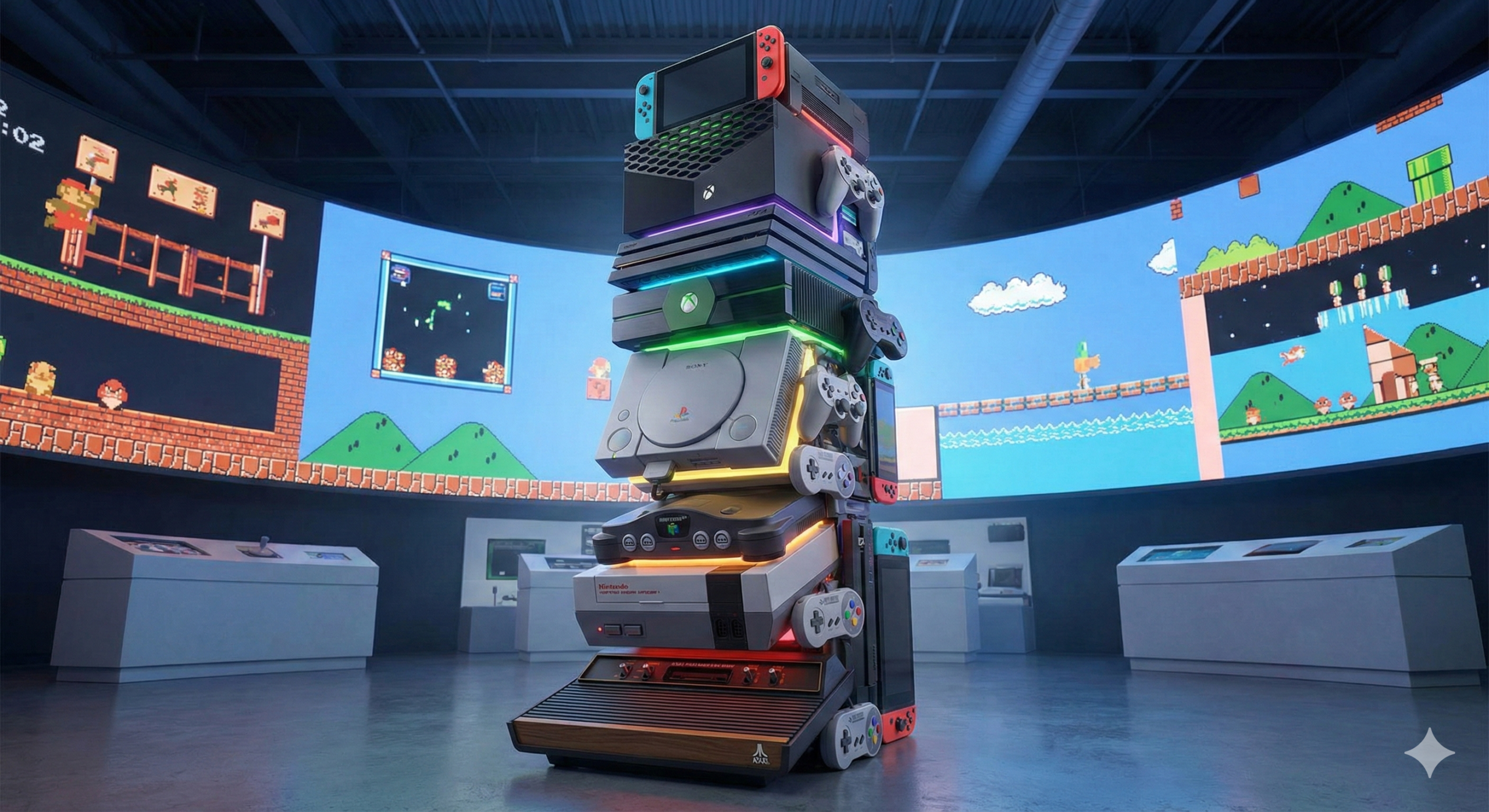
Choosing a gaming console in 2026 means navigating more options than ever—from 4K powerhouses to pocket-sized retro machines. Whether you’re chasing cutting-edge performance, family-friendly gaming, or nostalgic classics, this guide breaks down every major console with honest assessments to help you make the right choice.
Quick Comparison: All Consoles at a Glance
| Console | Best For | Price Range | Portability | Key Strength |
|---|---|---|---|---|
| PlayStation 5 | Cinematic single-player games | $449–$499 | No | Exclusive titles + DualSense controller |
| Xbox Series X | Game Pass subscribers | $499–$599 | No | Best backwards compatibility + Game Pass |
| Xbox Series S | Budget current-gen gaming | $299–$349 | No | Most affordable next-gen entry |
| Nintendo Switch | Families + Nintendo exclusives | $299–$349 | Yes | Hybrid TV/handheld + exclusive franchises |
| Nintendo Switch OLED | Handheld-focused players | $349 | Yes | Best portable Nintendo screen |
| Steam Deck | PC gamers on the go | $399–$649 | Yes | Full Steam library access |
| NES Classic | 8-bit nostalgia | $60–$150* | No | 30 curated NES classics |
| SNES Classic | 16-bit nostalgia | $80–$200* | No | 21 legendary SNES games |
| PlayStation Classic | PS1 nostalgia + modders | $40–$100* | No | Expandable via homebrew |
| Analogue Pocket | Cartridge collectors | $219+ | Yes | FPGA hardware accuracy |
| Retro Handhelds | Budget retro gaming | $50–$200 | Yes | Thousands of games, one device |
| Nintendo 2DS/3DS XL | DS + 3DS library access | $100–$250* | Yes | 4,000+ exclusive portable games |
*Discontinued — prices reflect secondary market
Current-Generation Consoles
PlayStation 5

Sony’s flagship console delivers exceptional single-player experiences through its exclusive lineup—God of War: Ragnarok, Spider-Man 2, and Final Fantasy XVI represent some of the generation’s best games. The DualSense controller’s haptic feedback and adaptive triggers create immersion that competitors haven’t matched.
Pros: Industry-leading exclusives, innovative controller technology, fastest SSD load times, strong VR support through PS VR2.
Cons: Large physical footprint, 825GB storage fills quickly, higher price point than Xbox Series S, no day-one subscription access to new releases.
Check Current Price on Amazon →
→ Read our full PlayStation 5 review for detailed testing results.
Xbox Series X
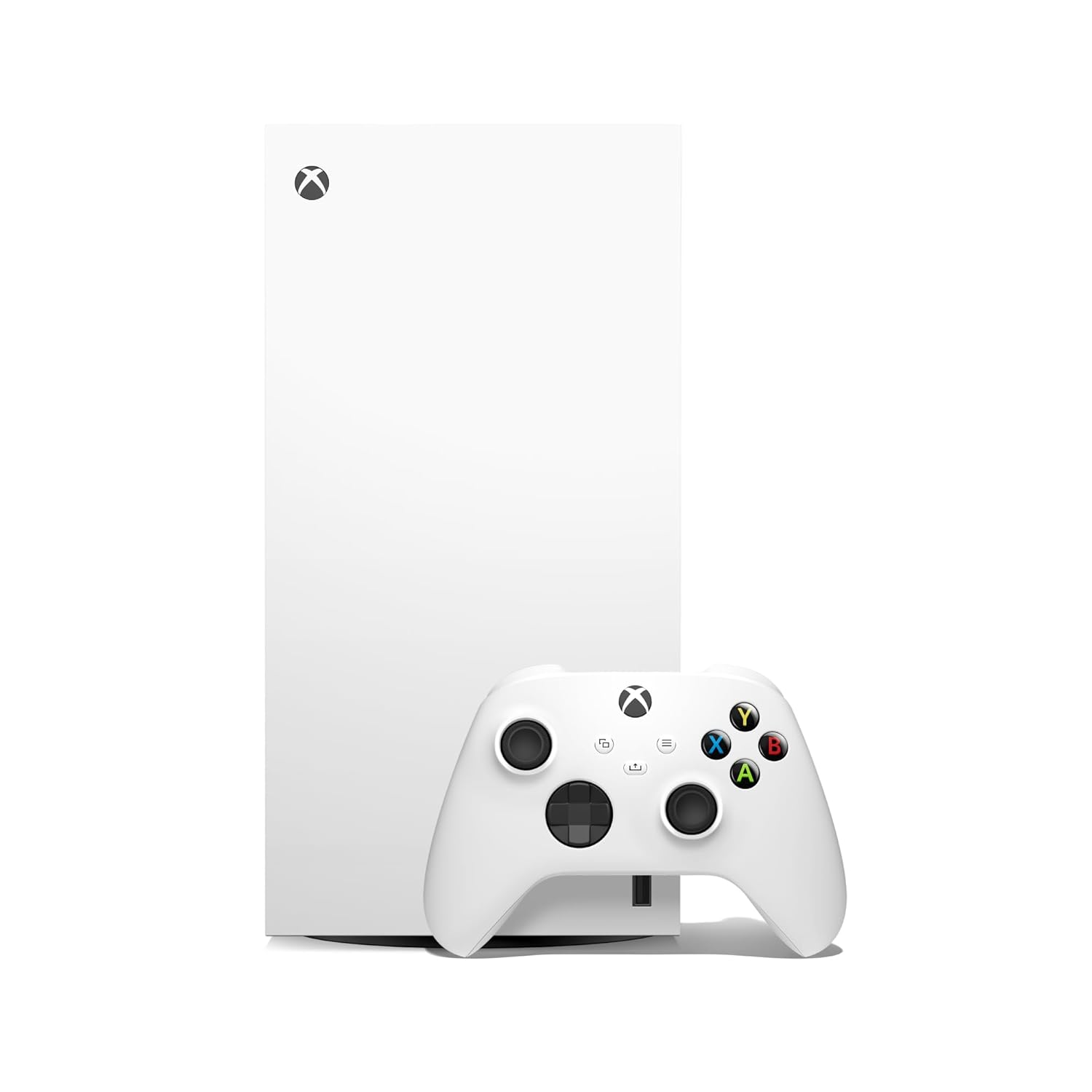
Microsoft’s powerhouse offers the strongest raw specifications among current consoles—12 teraflops of GPU power and 1TB storage out of the box. The real differentiator is Xbox Game Pass: hundreds of games including day-one access to every Microsoft first-party release for a monthly subscription.
Pros: Game Pass offers unmatched value, best backwards compatibility (four Xbox generations), Quick Resume between multiple games, strong PC ecosystem integration.
Cons: Exclusive lineup feels thinner than PlayStation’s, most “exclusives” also release on PC, controller innovation has stagnated, recent price increases reduced value advantage.
Check Current Price on Amazon →
→ Read our full Xbox Series X review for detailed testing results.
Xbox Series S
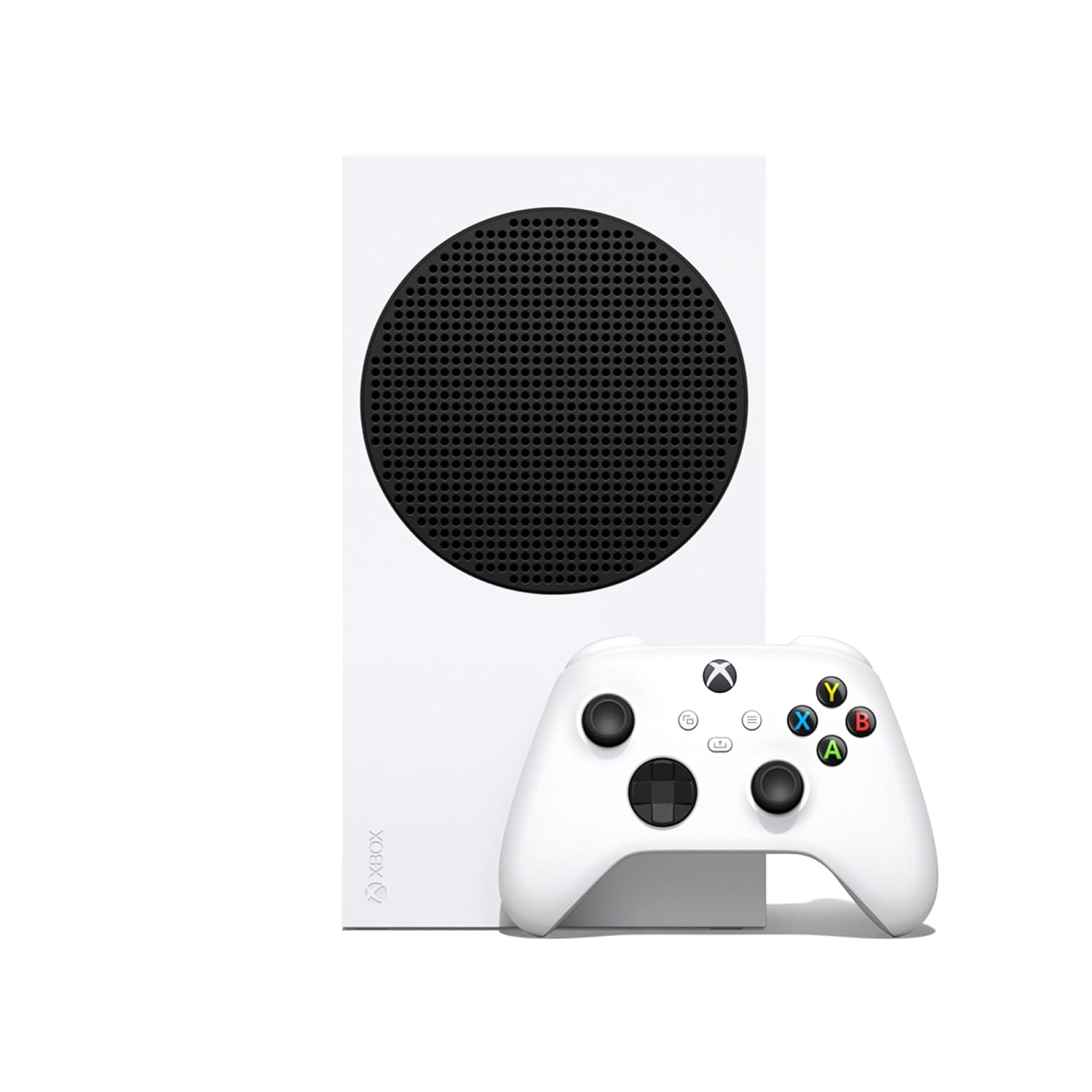
The budget entry into current-gen gaming targets 1440p instead of 4K while maintaining access to the full Xbox ecosystem. Its compact design fits anywhere, and combined with Game Pass, it represents the most affordable path to modern gaming.
Pros: Lowest price for current-gen gaming, extremely compact form factor, full Game Pass access, quiet operation and low power consumption.
Cons: 512GB storage is restrictive for modern game sizes, no disc drive eliminates used game savings, some titles run at reduced performance compared to Series X.
Check Current Price on Amazon →
→ Read our full Xbox Series S review for detailed testing results.
Nintendo Switch

Nintendo’s hybrid console seamlessly transitions between TV and handheld modes, offering flexibility that PlayStation and Xbox cannot match. The exclusive library—Zelda: Tears of the Kingdom, Super Mario Odyssey, Mario Kart 8—includes some of the highest-rated games ever made.
Pros: True portability with TV docking, unmatched exclusive game library, excellent local multiplayer options, most affordable gaming subscription service.
Cons: Hardware shows its age (720p handheld/1080p docked), third-party ports often compromised, Joy-Con drift remains an issue, limited storage requires expansion.
Check Current Price on Amazon →
→ Read our full Nintendo Switch review for detailed testing results.
Nintendo Switch OLED

The premium Switch variant upgrades the handheld experience with a vibrant 7-inch OLED display, improved kickstand, enhanced speakers, and 64GB internal storage. For players who primarily game in handheld mode, the visual improvement is substantial.
Pros: Stunning OLED display with deeper blacks and vivid colors, better audio quality, improved kickstand for tabletop play, ethernet port on dock.
Cons: No performance improvement over standard Switch, significant price premium for primarily a screen upgrade, OLED burn-in potential with static elements.
Check Current Price on Amazon →
→ Read our full Nintendo Switch OLED review for detailed testing results.
Steam Deck

Valve’s handheld is essentially a portable gaming PC, providing access to your entire Steam library wherever you go. Demanding titles like Cyberpunk 2077 and Elden Ring run playably, and the OLED model adds a premium display with improved battery life.
Pros: Access to decades of PC gaming history, no subscription required, Steam sale prices, excellent emulation capabilities, highly customizable through SteamOS.
Cons: Battery life of 2-4 hours on demanding games, larger and heavier than Switch, steeper learning curve for PC gaming newcomers, some games require configuration tweaks.
Check Current Price on Amazon →
→ Read our full Steam Deck review for detailed testing results.
Retro and Alternative Consoles
NES Classic Edition

The mini console that launched the retro renaissance, packed with 30 essential NES games including Super Mario Bros., The Legend of Zelda, and Mega Man 2. Plug-and-play simplicity makes it accessible to anyone.
Pros: Authentic NES experience, save states improve accessibility, CRT display filters for nostalgia, controller feels identical to original.
Cons: Discontinued (inflated reseller prices), extremely short controller cable, fixed 30-game library with no expansion, lacks rewind feature found in SNES Classic.
Check Current Price on Amazon →
→ Read our full NES Classic Edition review for detailed analysis.
SNES Classic Edition

Arguably the finest curated game collection ever assembled—21 titles including Super Mario World, A Link to the Past, Super Metroid, and the never-before-released Star Fox 2. Two controllers included out of the box.
Pros: Legendary game selection, includes two controllers, rewind feature for challenging sections, Star Fox 2 exclusive release, longer controller cables than NES Classic.
Cons: Discontinued with rising secondary market prices, no official library expansion, some notable games still missing from lineup.
Check Current Price on Amazon →
→ Read our full SNES Classic Edition review for detailed analysis.
PlayStation Classic

Sony’s mini console includes 20 PS1 titles featuring Metal Gear Solid, Final Fantasy VII, and Resident Evil. While the stock experience received mixed reviews, the homebrew community has transformed it into a versatile retro machine.
Pros: Includes undeniable classics, two controllers in box, excellent build quality, strong modding community support, often available at deep discounts.
Cons: Inconsistent game selection, some titles use slower PAL versions, no DualShock controllers (no analog sticks), stock emulation quality below Nintendo’s standards.
Check Current Price on Amazon →
→ Read our full PlayStation Classic review for detailed analysis.
Analogue Pocket

Premium FPGA-based handheld that plays original Game Boy, GBC, and GBA cartridges with hardware-perfect accuracy—no emulation involved. The 1600×1440 display showcases retro games with unprecedented clarity.
Pros: FPGA technology ensures cycle-accurate gameplay, stunning high-resolution display, plays original cartridges, expandable via adapters for Game Gear/Neo Geo Pocket/Lynx.
Cons: Premium $219+ price point, adapters add significant cost, requires owning original cartridges, limited supply with wait times, some users report D-pad precision issues.
Check Current Price on Amazon →
→ Read our full Analogue Pocket review for detailed analysis.
Retro Handheld Emulators
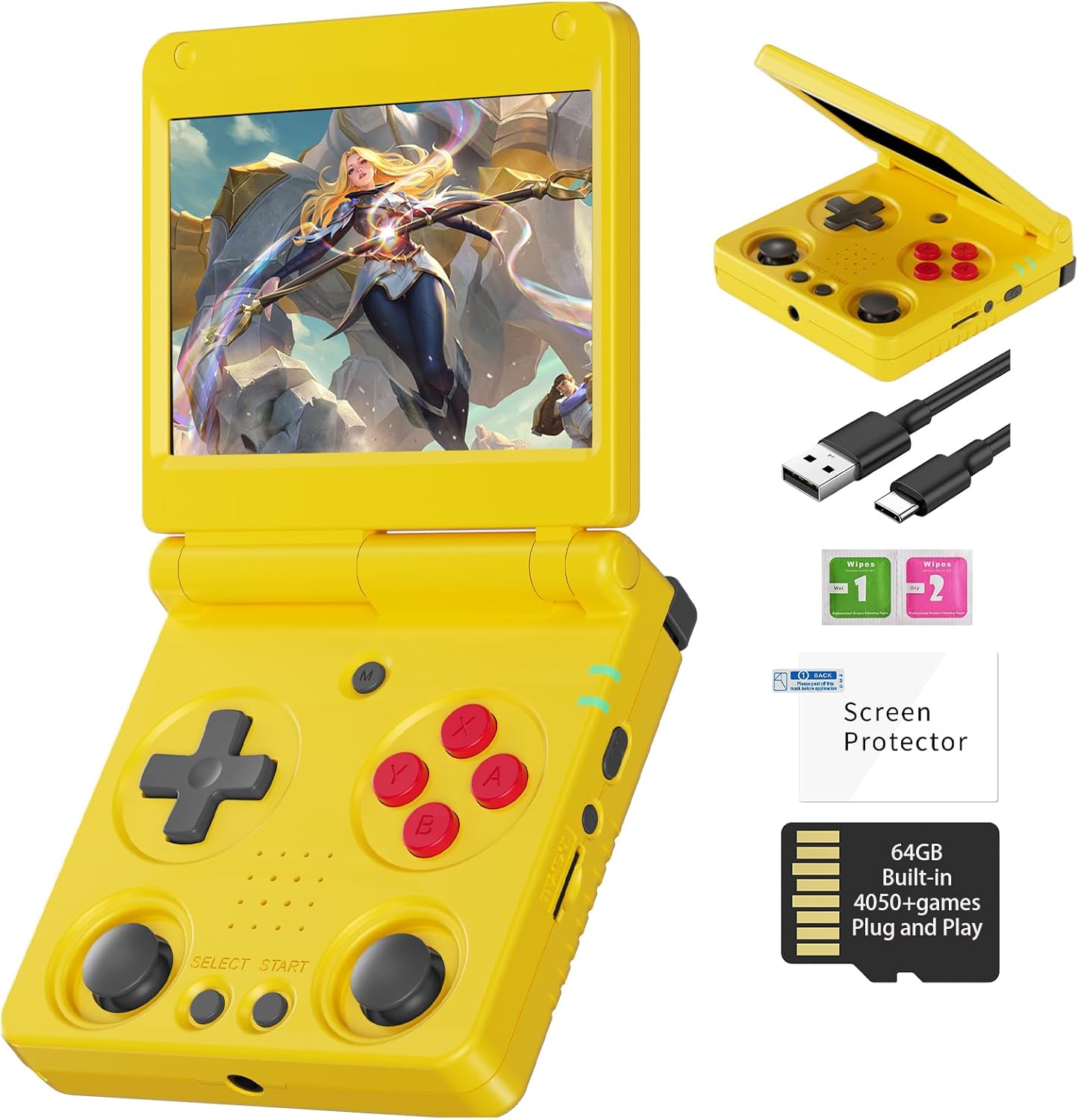
Devices from brands like Anbernic, Retroid, and Miyoo offer emulation of systems from NES through PlayStation 1 in pocket-sized form factors. Prices range from budget-friendly to premium, with varying build quality.
Pros: Excellent value with thousands of games accessible, highly portable designs, active communities improving firmware, extensive customization options.
Cons: Build quality varies significantly by brand/model, emulation accuracy below FPGA solutions, legal status of pre-loaded games is questionable, setup can be technical.
Check Current Price on Amazon →
→ Read our full Retro Handheld Emulators guide for detailed comparisons.
Nintendo 2DS XL / 3DS XL

Nintendo’s discontinued dual-screen handhelds provide access to over 4,000 games across the 3DS and original DS libraries—many titles never ported to modern systems. The 2DS XL offers a budget-friendly option, while the 3DS XL provides premium features including glasses-free 3D.
Pros: Massive exclusive library unavailable elsewhere, plays both 3DS and DS games, active modding community extends functionality, reasonable used market prices.
Cons: Discontinued with closed eShop, quality of used units varies, screen technology feels dated, battery life relatively short at 3.5-6 hours.
Check Current Price on Amazon (2DS XL) →
Check Current Price on Amazon (3DS XL) →
→ Read our full Nintendo 2DS/3DS XL review for detailed analysis.
Which Console Should You Buy?
For cinematic single-player experiences: PlayStation 5 offers the strongest exclusive lineup and most innovative controller.
For maximum value through subscriptions: Xbox Series X or Series S with Game Pass provides hundreds of games for one monthly fee.
For families and local multiplayer: Nintendo Switch or Switch OLED delivers the best couch co-op experience with family-friendly titles.
For PC gamers wanting portability: Steam Deck puts your entire library in your hands with no additional purchases required.
For nostalgic retro gaming: SNES Classic offers the best curated experience; Analogue Pocket provides premium cartridge preservation; retro handhelds deliver quantity and value.
For exclusive portable libraries: Nintendo 2DS/3DS XL accesses thousands of games unavailable on any other platform.
Frequently Asked Questions
Is the PS5 or Xbox Series X more powerful?
The Xbox Series X has slightly higher specifications on paper (12 vs 10.28 teraflops), but real-world performance differences are minimal. Game optimization and exclusive titles matter more than raw specs for most players.
Is the Nintendo Switch still worth buying in 2026?
Yes, if you value Nintendo’s exclusive games and portable/TV hybrid functionality. The hardware shows its age, but titles like Zelda and Mario remain system-sellers unavailable elsewhere.
What’s the best budget gaming console in 2026?
The Xbox Series S offers the most affordable entry into current-gen gaming, especially when paired with Game Pass. For retro gaming, budget handheld emulators provide thousands of games under $100.
Can the Steam Deck replace a gaming PC?
For many players, yes—especially those who primarily play indie games or don’t require maximum graphical settings. Demanding AAA titles run at reduced settings, and battery life limits extended sessions.
Are retro mini consoles still available?
The NES Classic and SNES Classic are discontinued, available only through resellers at inflated prices. The PlayStation Classic remains more accessible and affordable on the secondary market.
Which console has the best exclusive games?
PlayStation 5 leads in cinematic single-player exclusives (God of War, Spider-Man). Nintendo Switch dominates family-friendly and iconic franchises (Mario, Zelda, Pokémon). Xbox focuses on Game Pass value rather than traditional exclusives.
Final Thoughts
The best gaming console depends entirely on how, where, and what you play. Raw performance matters less than game library alignment with your interests and lifestyle compatibility with your gaming habits.
Every console in this guide delivers quality experiences for its intended audience. Consider your priorities—exclusives, value, portability, nostalgia—and the right choice becomes clear.
Questions about any of these consoles? Drop a comment below.
— Andy Nava
Disclosure: This article contains Amazon affiliate links. Purchasing through these links supports our content at no additional cost to you. Amazon’s 30-day return policy applies to all purchases.